


If you own an apartment building in Dallas, there’s a high chance you’re leaving serious money on the table every single month—and you don’t even know it.
This isn’t about bad management.
It’s not about low occupancy either.
It’s about missed revenue opportunities that most apartment owners simply never tap into.
And in a competitive market like Dallas, ignoring these opportunities could mean losing $50,000 to $100,000+ annually—per property.
Let’s break it down clearly, in simple terms, so you can see exactly where the money is leaking—and how smart owners are fixing it.

The Reality: Your Building Is Capable of Earning More
Most apartment owners think their income is limited to:
- Monthly rent
- Parking fees
- Laundry (if any)
That’s it.
But here’s the truth:
Your building is an underutilized asset.
In today’s market, especially in cities like Dallas, apartment buildings are evolving into revenue ecosystems—not just rental spaces.
And the owners who understand this shift are the ones quietly making an extra:
- $500 per unit
- $800 per unit
- Even $1,000 per unit (in some cases)
Without raising rent.
Where You’re Losing Money (Without Realizing It)
Let’s get straight to the problem.
Here are the biggest hidden revenue leaks in most apartment buildings:
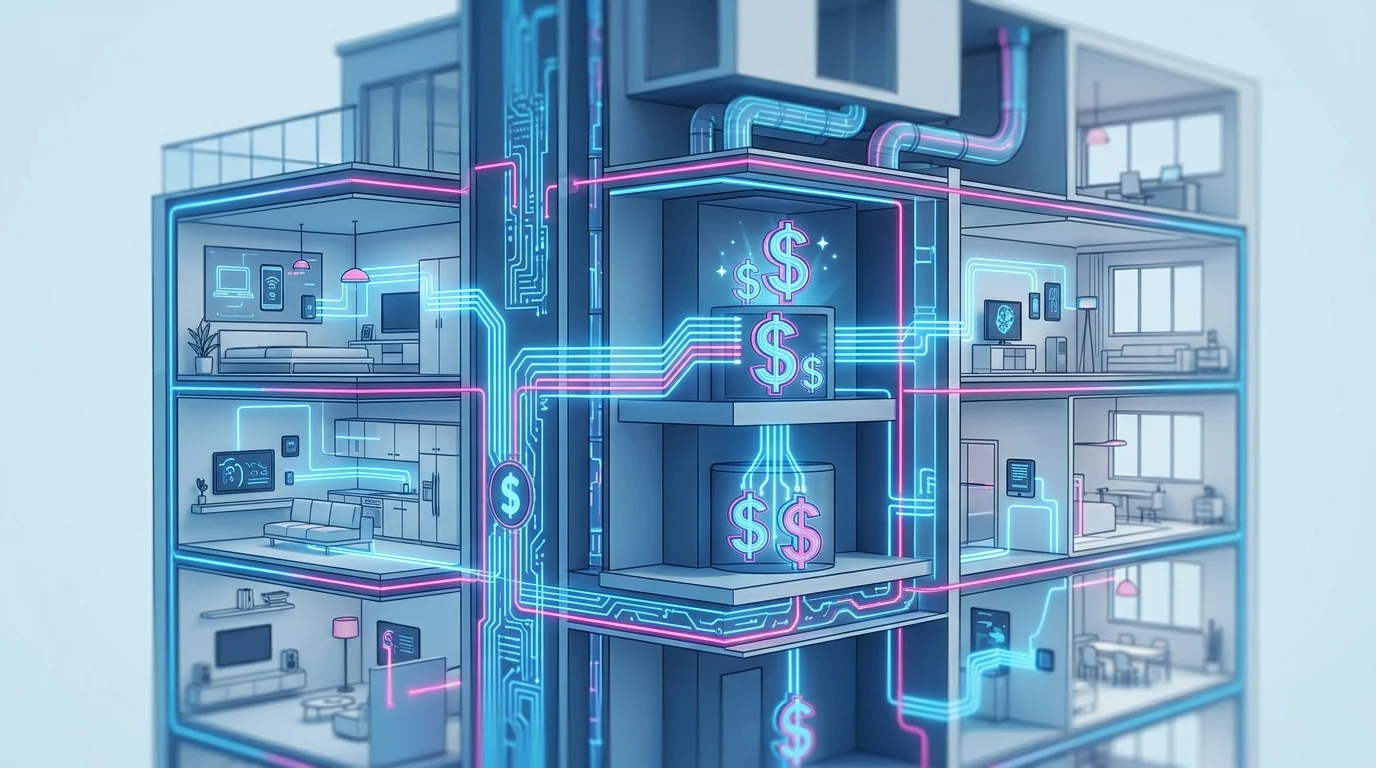
1. Untapped Infrastructure Value
Your building already has:
- Wiring
- Utility pathways
- Tenant demand for services
But most owners don’t monetize it.
For example:
Internet access is a basic necessity today, like water and electricity.
Yet, most apartment owners:
- Let tenants figure it out themselves
- Miss the chance to turn it into a revenue stream
2. No Bulk Service Strategy
Instead of negotiating building-wide deals, many owners:
- Allow multiple providers
- Lose bargaining power
- Miss bulk pricing advantages
This results in:
- Higher costs for tenants
- Zero additional income for you
Smart owners do the opposite.
They leverage bulk agreements and turn them into consistent monthly revenue.
3. Underestimating Per-Unit Potential
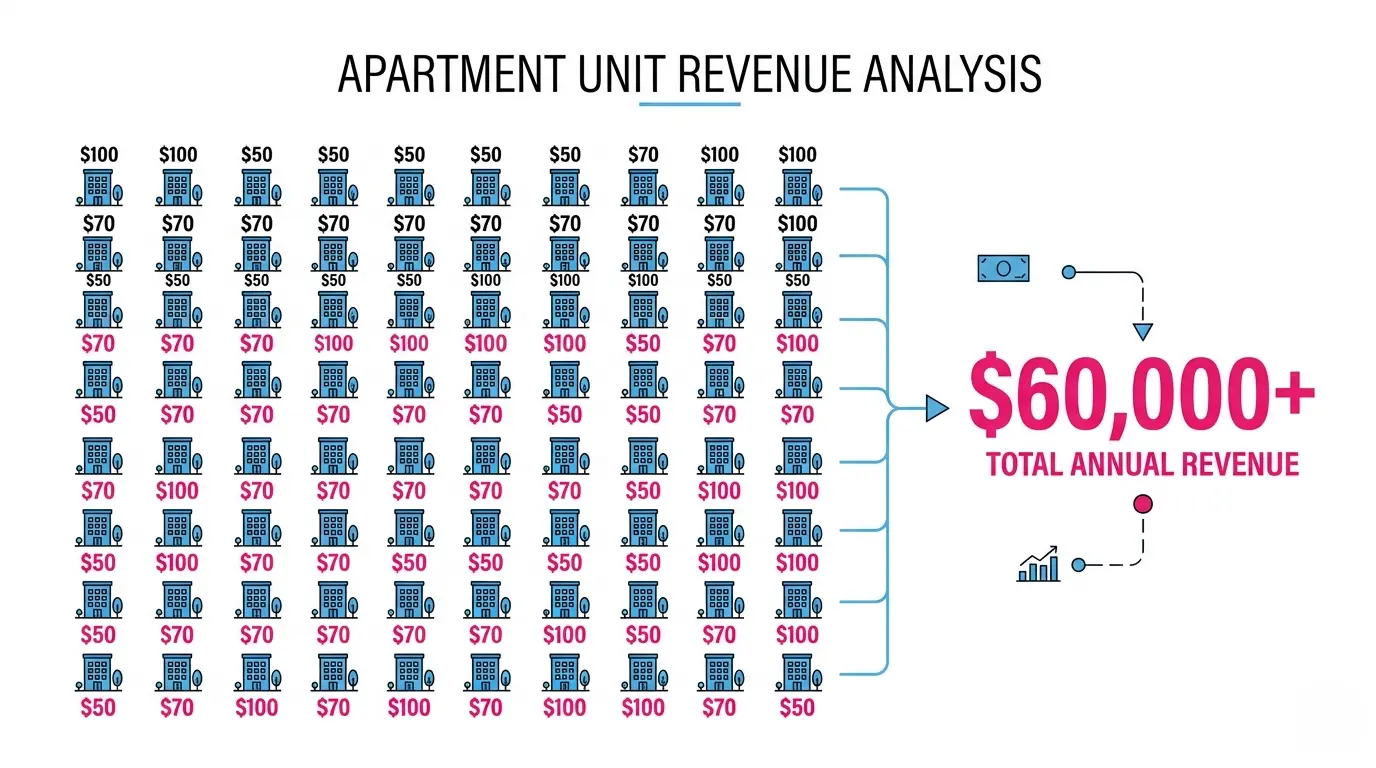
Let’s do simple math:
- 100 units
- $50 missed per unit per month
That’s $5,000/month lost
That’s $60,000/year gone
And that’s a conservative number.
Now imagine:
- $80 per unit → $96,000/year
- $100 per unit → $120,000/year
This is where most owners get shocked.
4. Relying Only on Rent
Increasing rent is the default move.
But in 2026:
- Tenants are price-sensitive
- Competition is high
- Regulations are tightening
Raising rent can increase vacancy risk
Smart owners are shifting to:
Non-rent revenue streams
Why Dallas Apartment Owners Are at a Bigger Risk

Dallas is one of the fastest-growing rental markets in the U.S.
That means:
- More competition
- More options for tenants
- Higher expectations
Tenants today expect:
- Fast internet
- Seamless connectivity
- All-in-one convenience
If your property doesn’t offer that?
They’ll choose one that does.
And the owner of that building?
They’re earning more per unit than you.
The Shift: From Rent Collectors to Revenue Strategists

The most successful apartment owners in Dallas have changed one thing:
Their mindset.
They no longer ask:
“How much rent can I charge?”
They ask:
“How much revenue can each unit generate?”
This single shift is what separates:
- Average properties
vs - High-performing income assets
The Opportunity Most Owners Miss
There’s a massive opportunity sitting inside your building right now:
Monetizing essential services (like internet)
Here’s why it works:
- Every tenant needs it
- It’s recurring
- It scales with your units
And when done correctly:
It becomes a predictable monthly income stream
Example Breakdown (Realistic Scenario)
Let’s say you own:
- 120-unit apartment building in Dallas
Now assume:
- You generate just $70 per unit
120 × $70 = $8,400/month
$8,400 × 12 = $100,800/year
That’s extra income, not rent.
No renovations.
No major upgrades.
No risk of vacancies.
“But How Does This Actually Work?”
Good question—and this is where most owners get stuck.
They think:
- It’s complicated
- It requires technical knowledge
- It’s hard to implement
The reality?
When done through the right system, it’s simple.
This is where platforms like Netxprex come in.
How Netxprex Helps Apartment Owners Unlock Hidden Revenue

Instead of you figuring everything out…
Netxprex helps you:
- Identify revenue potential in your building
- Set up monetization systems
- Implement bulk service models
- Turn existing infrastructure into income
And here’s the kicker:
They even offer up to $1,000 bonus per unit (depending on qualification)
Why This Model Works So Well
Let’s break it down simply:
1. It’s Based on Existing Demand
Tenants already pay for internet.
You’re just:
Optimizing how it’s delivered and monetized
2. It Scales Easily
More units = more revenue
No extra effort per tenant.
3. It Doesn’t Increase Rent
So:
- No tenant pushback
- No vacancy risk
4. It Improves Property Value
Higher NOI = Higher valuation
This is HUGE if you ever plan to sell.
The Impact on Your NOI (Net Operating Income)
This is where things get serious.
Let’s say:
- You add $80,000/year in new revenue
That directly increases your NOI.
Now apply a cap rate (example 5%):
$80,000 ÷ 0.05 = $1.6 MILLION increase in property value
Let that sink in.
Why Most Apartment Owners Still Miss This
Even after knowing this, many owners don’t act.
Why?
- “I’ll look into it later”
- “Sounds too good to be true”
- “I’m already doing fine”
Meanwhile…
Competitors implement it and gain advantage.
The Smart Move (What You Should Do Next)
If you own an apartment building in Dallas, the question isn’t:
“Does this work?”
The question is:
“How much am I currently losing by not doing this?”
Take Action: Find Your Building’s Hidden Revenue
The fastest way to know your potential is simple:
Get a free revenue audit
You’ll discover:
- How much each unit can generate
- Total yearly potential
- Qualification for bonus (up to $1,000/unit)
💬 Final Thought
Owning an apartment building today isn’t just about collecting rent.
It’s about:
Maximizing every income opportunity inside your property
And right now, there’s a very high chance…
Your building is capable of generating $50,000+ more per year
You just haven’t unlocked it yet.